
The models agree most strongly on historically dominant luxury objects: the Le Smoking tuxedo, the Bar Suit, the Birkin, and the Chanel 2.55. Consensus does not mean accuracy in every detail, but it does reveal the shape of the fashion memory encoded in current language systems.
Summary
Genesis 02 compares the designers, garments, and runway stories nine language models return from fashion preference prompts.
Key takeaways
- The paper compares nine models.
- Chanel is the favourite brand for six models in the comparison table.
- These are findings from the published sample, rather than a claim about every model response.
Download PDF
Cite this
@techreport{peace2025genesis02,
  title = {The Ghost in the Machine Wears Chanel},
  author = {Peace, Kalan},
  year = {2025},
  url = {https://research.caeliai.com/research/genesis-02}
}Model → favourite brand
Grok 4Chanel
Claude 4Chanel
ChatGPTAlexander McQueen
zlm 4.5Christian Dior
Gemini 2.5Chanel
Qwen 3.3Hermès
DeepSeek r1Chanel
Kimi k2Chanel
CAELIAIChanel
Nine models in the paper’s comparison table. Chanel appears as the favourite for six of the nine models in this sample.
Source: Genesis 02, section 4.
Back to research
Genesis 02 · Research paper
The ghost in the machine wears Chanel.
Also published as “What LLMs Repeatedly Choose”.
Genesis 02 compares which designers, garments, and runway stories nine language models return repeatedly when fashion preferences are generated from prompts.
Across nine models, a small group of luxury references appears repeatedly, including McQueen, Chanel, Saint Laurent, Dior, and Hermès.
What the study shows.
When models are asked for iconic fashion references, the answers in this sample cluster around a small set of objects and narratives. Other references appear less often.
The same system that remembers heritage houses also gravitates toward spectacle. Alexander McQueen becomes the recurring answer for fashion as performance, especially the Spring/Summer 1999 robot-spray finale.
8/9
Birkin / Bar Suit band
6/9
Chanel 2.55 mentions
The machine canon clusters around four anchors.
These items appeared repeatedly. Once the prompt asks for icons, the same answers recur across otherwise different models in this sample.
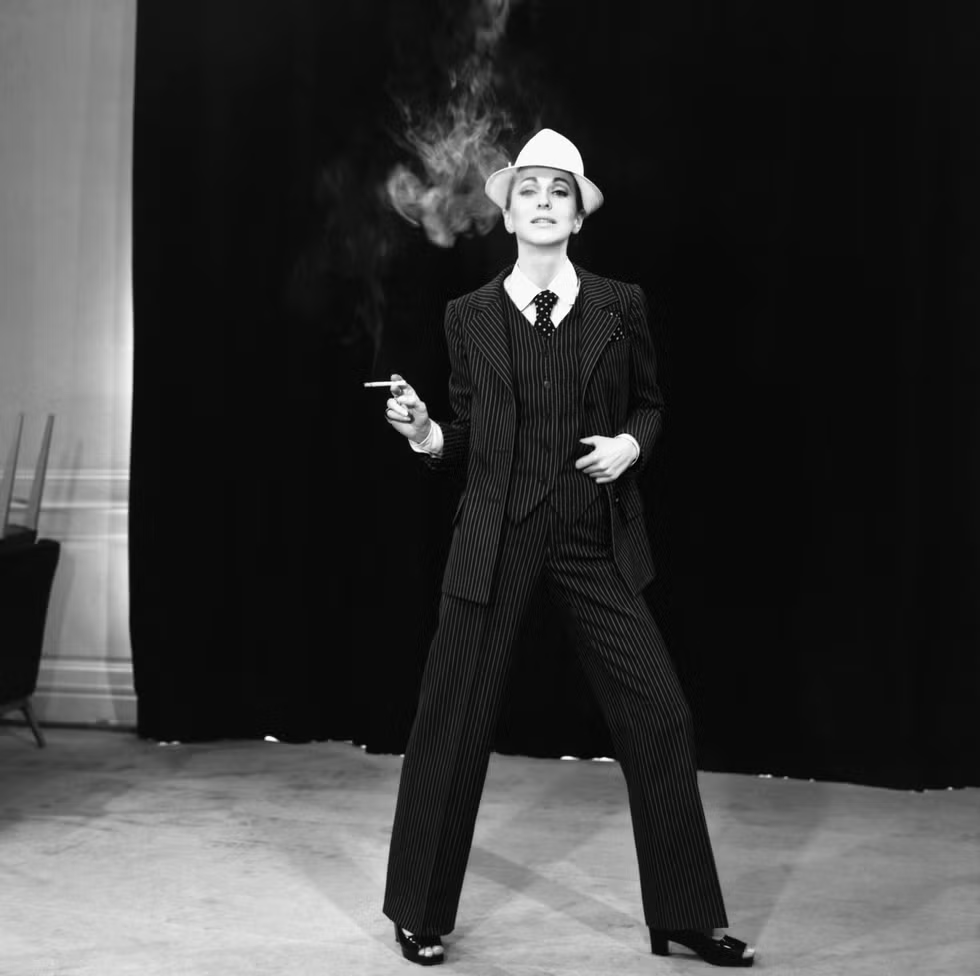
YSL Le Smoking
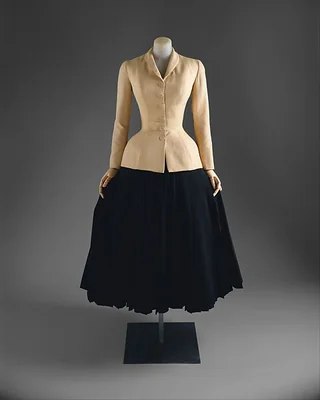
Dior Bar Suit
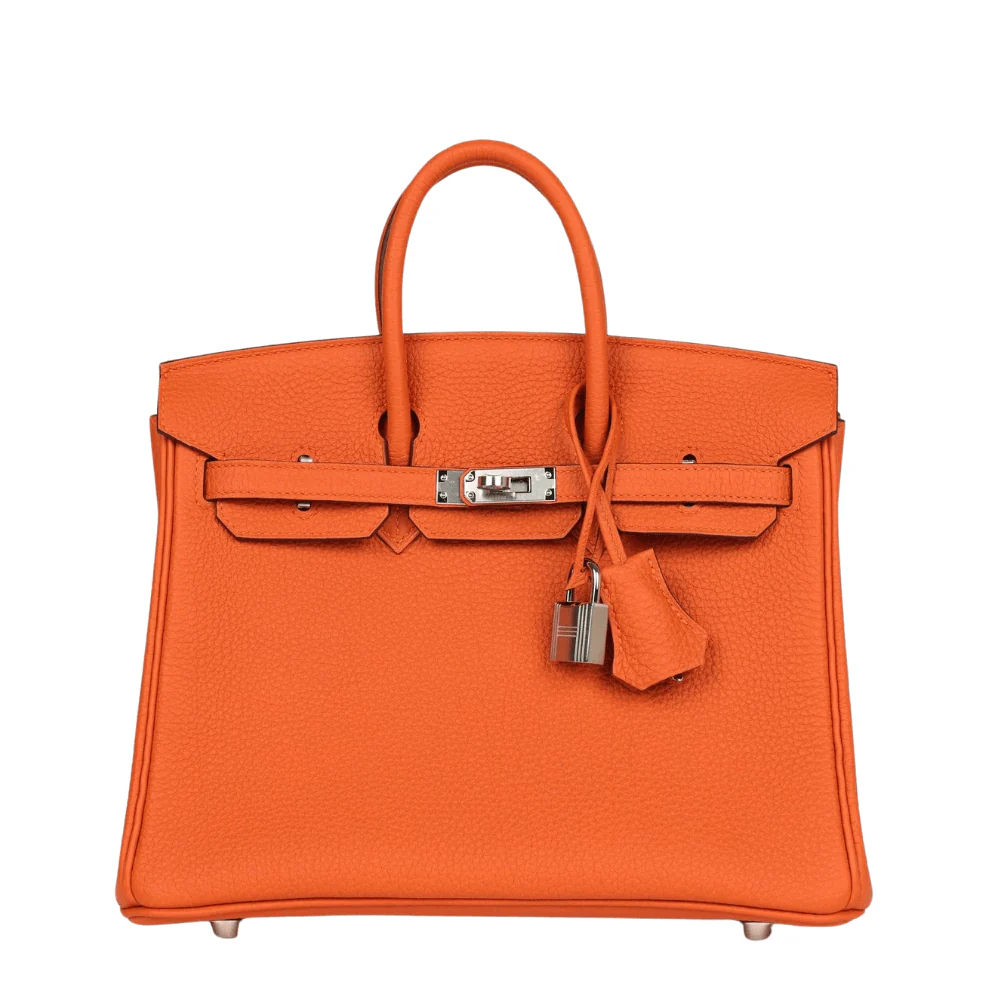
Hermes Birkin
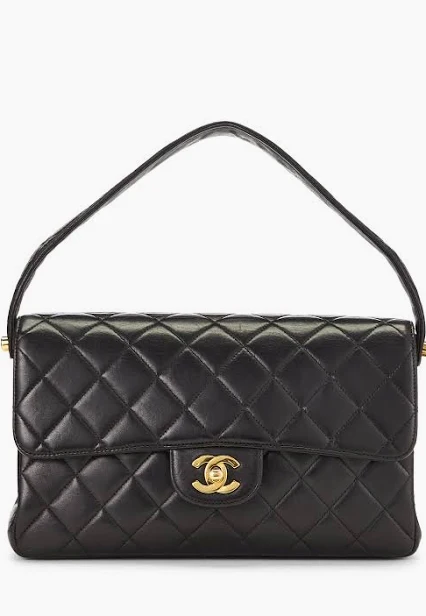
Chanel 2.55
The pattern also appears in the designers named.
Prestige alone is not the whole story. The study also shows repeated names, including McQueen and Philo, in answers about conceptual force and contemporary taste.
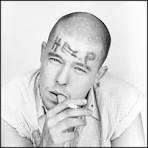
Alexander McQueen
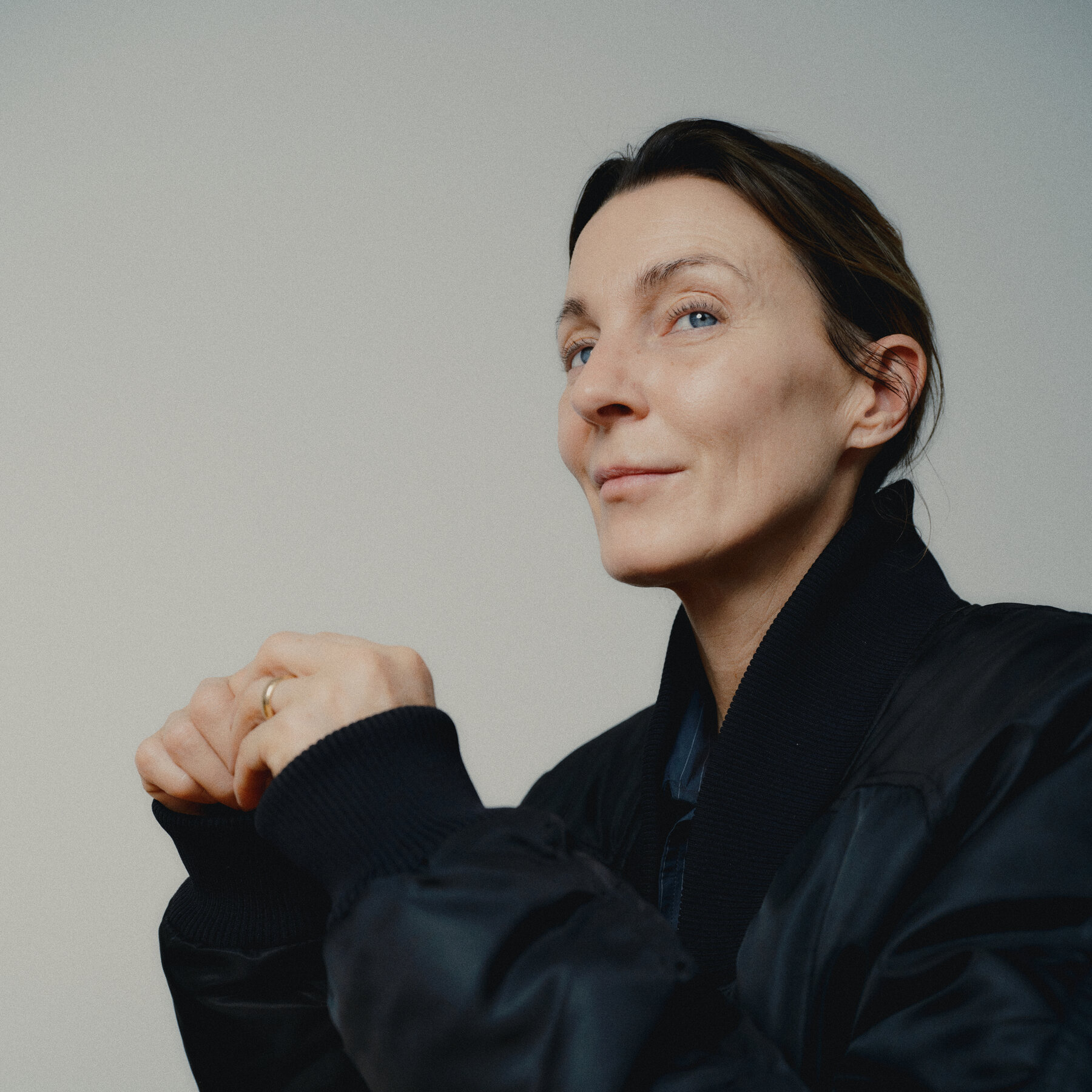
Phoebe Philo
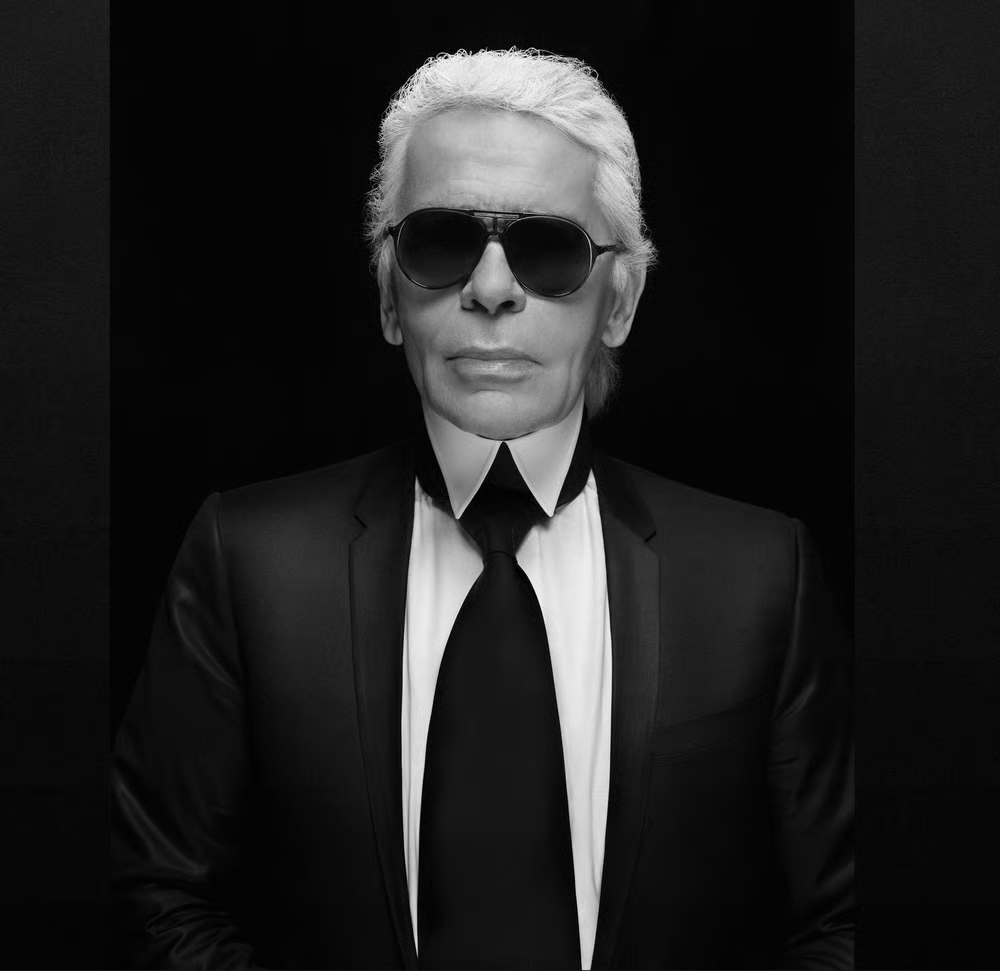
Karl Lagerfeld
The most repeated runway story is McQueen Spring/Summer 1999, where the Shalom Harlow robot-spray finale becomes the preferred symbol of fashion as machine spectacle. It is the clearest place where model taste merges art, technology, and myth.
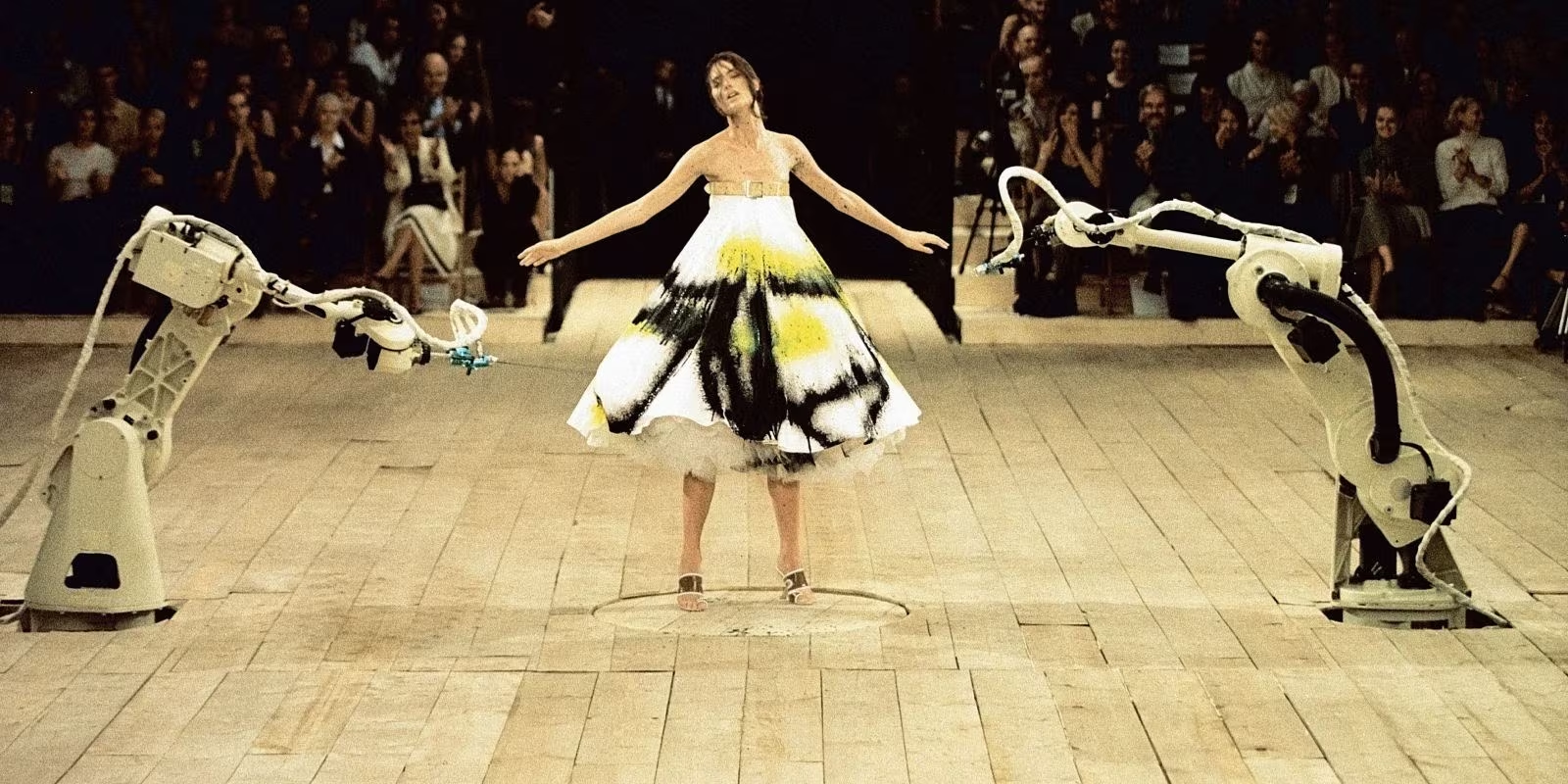
McQueen SS99 / Robot-spray finale
The models in this sample repeatedly favored a narrow set of prestige references.
If these systems are used to summarize taste, repeated references can shape what users encounter. This study measures the pattern, not its effect on users.
If this pattern persists, newer brands and less-referenced designers may be harder to surface in some answers. That is a visibility question worth testing.